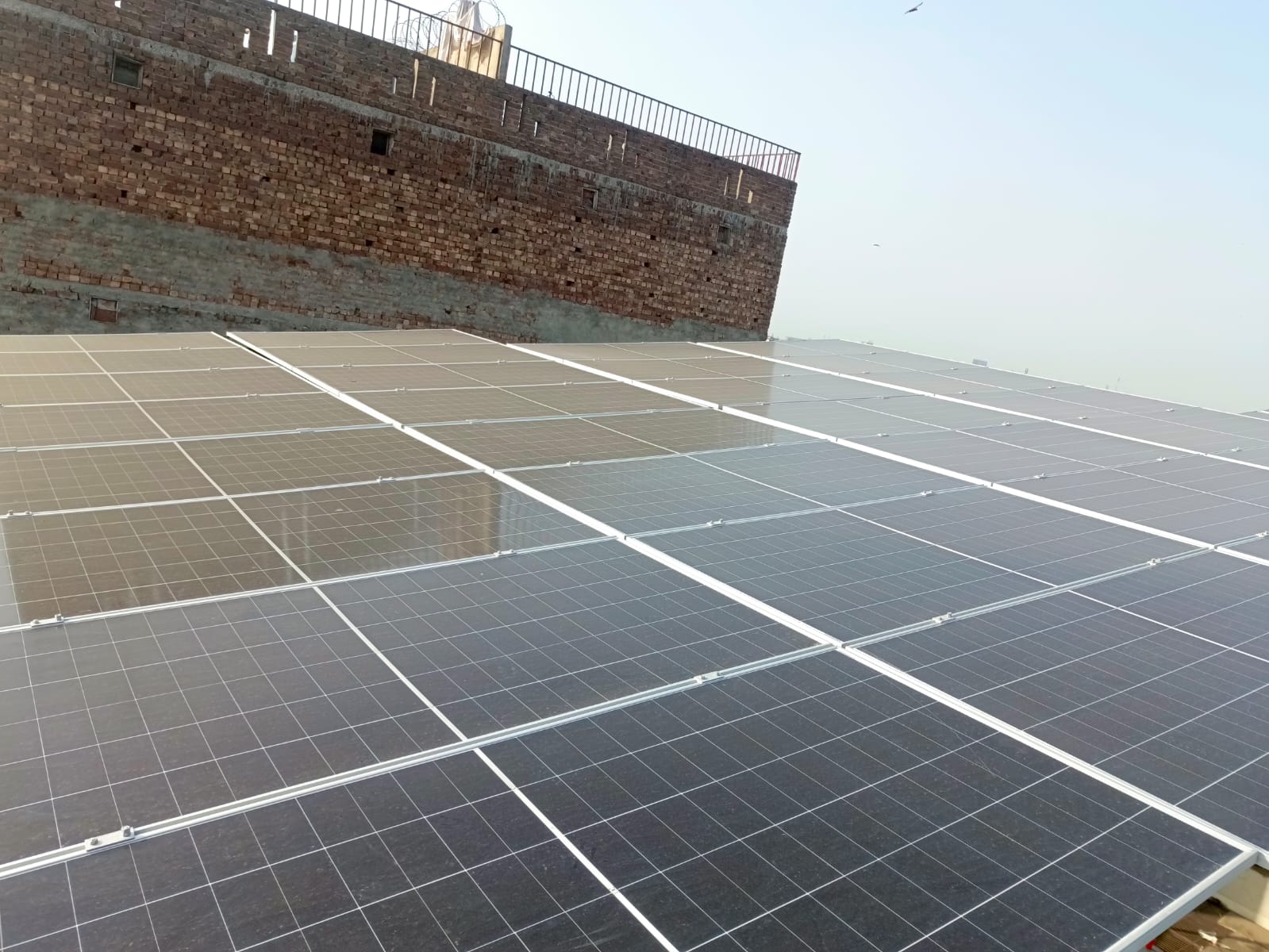
The most useful solar upgrade is one that solves a clear problem: evening electricity use, essential backup or better control of an existing system. New products increasingly bring these functions together. Here is how to evaluate that direction without losing sight of the equipment and setup your property actually needs.
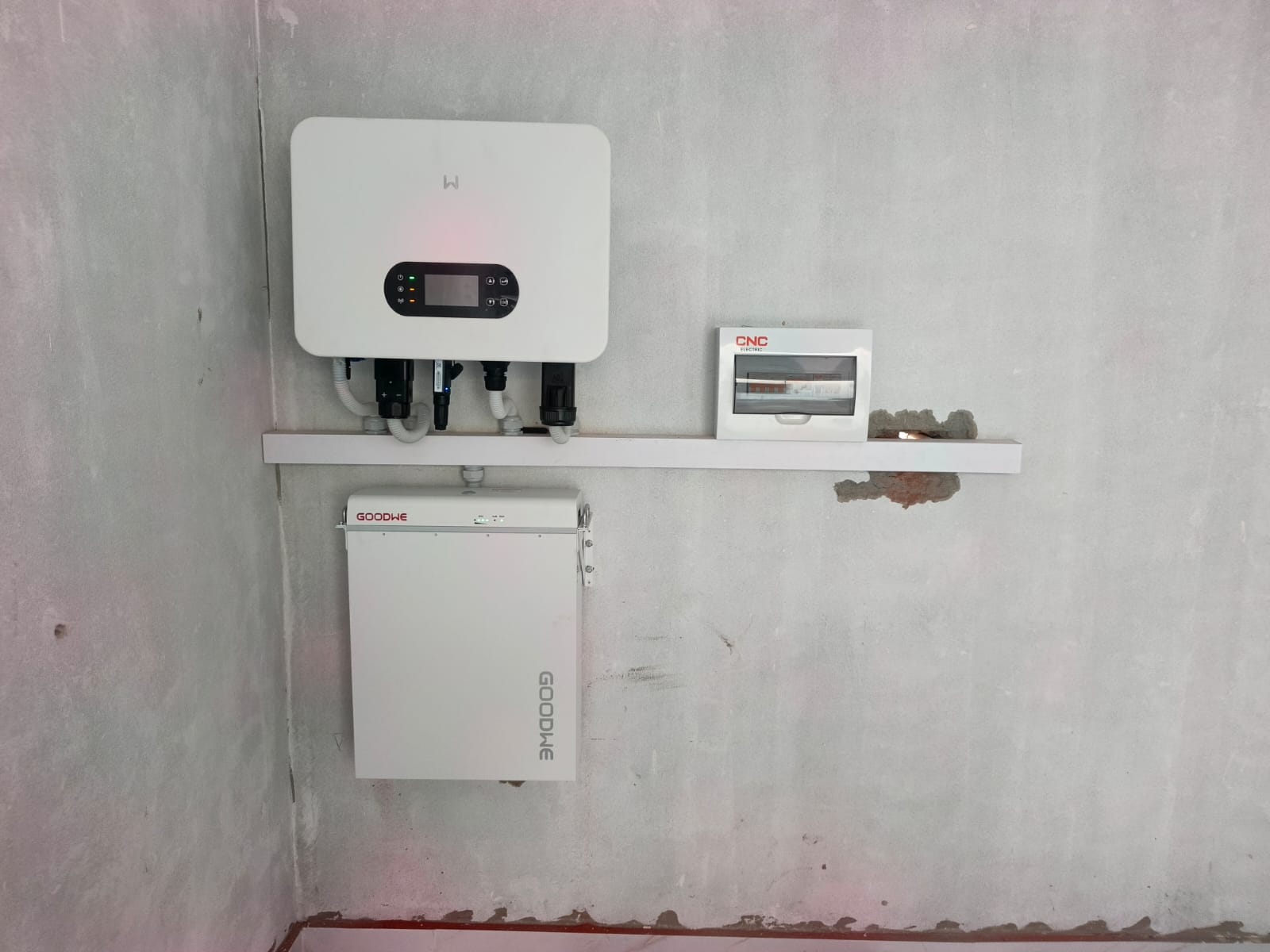
Plan backup around essential appliances, usable battery energy and compatible equipment. An app or an inverter’s headline kW rating cannot define the whole system.
The 2026 shift: a more connected system
At Intersolar Europe 2026, GoodWe presented an integrated portfolio connecting solar, storage and energy management. Its 30 June event report describes the ESA family combining inverter, battery and backup functions, alongside home energy management, smart meters and monitoring tools.
For homeowners, the interesting direction is coordination: managing generation, stored energy and household consumption as one system. The same report describes integration with devices such as EV chargers and heat pumps. These are international product examples; a European exhibition does not establish Pakistani availability, compatibility or access to local tariff features.
Hybrid does not automatically mean whole-home backup
In a DC-coupled arrangement, a hybrid inverter works with both solar panels and a battery. However, backup still depends on the system’s capabilities and configuration. The Australian Government’s battery guide explains that not every battery installation provides outage power, and a configured system may supply selected circuits rather than the whole property.
Our planning advice is to name the appliances you want to keep running before choosing equipment. Ask the installer to explain the backup circuit arrangement and demonstrate the intended operation during commissioning. “Battery included” should not leave you guessing which sockets and appliances remain powered.
Separate power from stored energy
Kilowatts (kW) describe power; kilowatt-hours (kWh) describe an amount of energy. Storage also involves conversion losses, so stored energy and energy delivered to appliances are not identical. The US Department of Energy’s solar and storage guide explains these distinctions.
For example, 4 kWh already available to a constant 1 kW load would last four hours by simple arithmetic. This is an illustration, not a runtime promise for a 4 kWh battery: usable limits, conversion losses and changing appliance demand must be considered separately.
Ask for two clear answers in a proposal: how much load the backup system can supply at once, and the expected runtime for your chosen appliances under stated assumptions.
Look at the battery system, not just the chemistry
One current manufacturer example is GoodWe’s Lynx D: a high-voltage lithium iron phosphate (LFP) battery family with a 5 kWh usable-energy module, remote monitoring and diagnostics through the inverter. The product illustrates how modular storage and monitoring can be offered together. Its specifications apply to that family, not every GoodWe battery or every lithium battery.
For any proposal, verify the exact inverter and battery combination against the manufacturer’s current documentation. GoodWe publishes a battery compatibility overview. Request the equivalent evidence for whichever brand is quoted, including any required firmware and expansion conditions.
A practical checklist for your next upgrade
- Define the job. List essential appliances, your backup priority and when you normally use electricity.
- Ask for a complete equipment schedule. Record model numbers, usable battery energy and the proposed backup output.
- Review the controls. Request a demonstration of the settings, alerts and monitoring functions included in the proposal.
- Plan the handover. Ask who configures the system, explains its operation and handles later support.
- Document future expansion. If you may add storage, get model-specific requirements before buying the first battery.
Our view: smart features are most valuable when they make a correctly designed system easier to understand and operate. Start with a clear backup brief, then choose the equipment and controls that meet it.
Sources & further reading
Based on the official publications linked below. Reviewed on 22 September 2026. Product specifications and regional availability can change.