
Solar Batteries in Pakistan
Japston Energy provides solar batteries for customers who need backup power with their solar systems. A battery stores extra electricity produced by solar panels and supplies power when solar energy is not available or during load shedding.
 For Price — WhatsApp
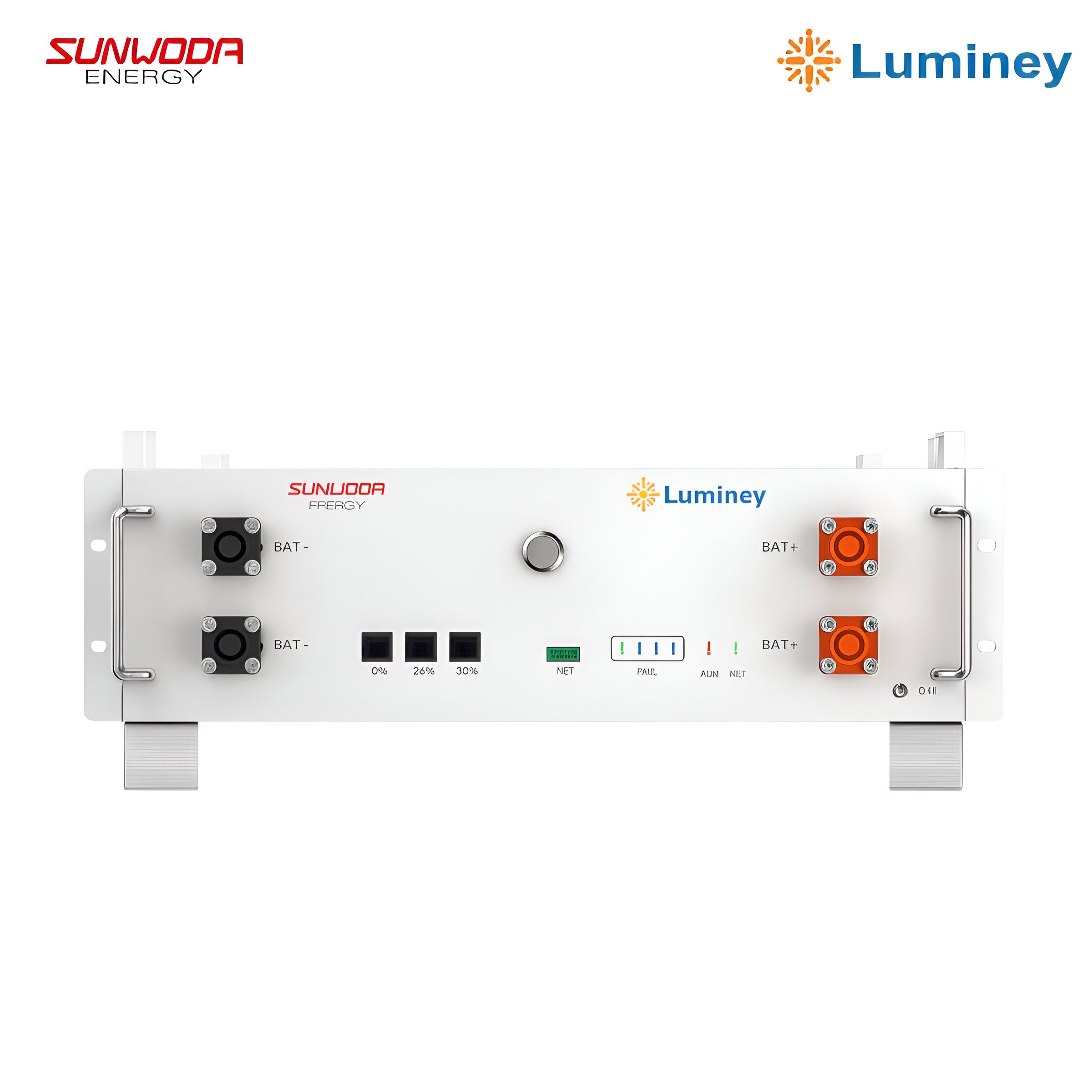
Selecting a battery requires more than checking the storage size. The battery should match the inverter, the appliances you want to run and the number of hours you need backup.
Lithium Batteries for Solar Systems
Lithium batteries are used in many new solar installations because they require less maintenance and can handle regular charging and discharging.
Before installing a lithium battery, check:
- Battery capacity
- Voltage
- Inverter compatibility
- Charging limits
- Warranty details
The battery size is selected after checking your actual backup needs and connected appliances.
Explore this rangeLiFePO4 Lithium Batteries
Lithium iron phosphate (LiFePO4) batteries are commonly used for solar backup systems.
These batteries are checked for:
- Battery management system (BMS)
- Storage capacity
- Charge and discharge rate
- Operating conditions
- Manufacturer warranty
A compatible battery and inverter combination helps the solar system work correctly.
Tubular Batteries for Solar Backup
Tubular batteries are used in many solar backup systems where customers need an affordable storage option.
Before installation, consider:
- Battery capacity
- Number of batteries required
- Charging method
- Maintenance needs
- Available space
The battery bank is prepared according to the inverter and backup load.
Explore this rangeGel Batteries for Solar Systems
Gel batteries are sealed batteries used in solar backup applications where regular maintenance is not preferred.
Important details include:
- Battery capacity
- Charging requirements
- Backup duration
- Installation location
- Warranty period
The battery type should fit the way the solar system will be used.
Solar Battery Capacity
Battery capacity decides how much electricity can be stored for later use.
The required capacity depends on:
- Appliances needing backup
- Backup hours
- Inverter capacity
- Daily electricity usage
- Solar panel capacity
A system running only essential appliances requires a different battery size compared with a system supporting higher loads.
Solar Batteries for Homes
Many homeowners install batteries to keep important appliances running during electricity outages.
Home backup usually includes:
- Lights
- Fans
- Internet devices
- Security systems
- Selected appliances
The battery capacity is selected according to which appliances need power and for how long.
Solar Batteries for Commercial and Industrial Systems
Businesses and industries often require battery storage for equipment that cannot stop during power interruptions.
Battery planning for commercial systems includes:
- Load requirement
- Backup duration
- Existing inverter model
- Available installation space
- Future power needs
The battery system is arranged according to the site's electricity usage.
Battery Compatibility with Solar Inverters
A battery cannot be connected with every solar inverter. The inverter and battery must support each other's voltage and communication settings.
Before adding a battery, check:
- Inverter model
- Battery voltage range
- Communication support
- Charging settings
This prevents problems after installation.
Solar Battery Price in Pakistan
Solar battery prices depend on battery type, storage capacity, brand and warranty.
A battery quotation should mention:
- Battery model
- Capacity
- Battery type
- Warranty details
- Installation charges
Comparing batteries only by price can miss differences in storage capacity and usable backup time.
Solar Battery Installation
Battery installation requires correct placement and proper connections with the inverter.
The installation includes:
- Battery placement
- Wiring connections
- Inverter connection
- Safety checks
- System testing
The battery area should remain accessible for inspection and service.
Solar Battery Warranty and Documents
Keep all battery documents after purchase and installation.
Important records include:
- Purchase invoice
- Battery serial number
- Warranty card
- Installation details
These documents are needed for service and warranty claims.
Request Your Solar Battery Quotation
Share your solar system details, inverter model and backup requirement with Japston Energy. Our team can help you choose a suitable battery option with details about capacity, compatibility and installation for your solar system in Pakistan.
FAQs
Which battery is suitable for a solar system?
The suitable battery depends on your inverter, required backup time, appliances and solar system size.
How many hours can a solar battery provide backup?
Backup time depends on battery capacity and connected load. More appliances consume stored energy faster.
Can I install a battery with my existing solar system?
Yes, but the existing inverter must support the battery type and required connection settings.
Which is better for solar, lithium or tubular battery?
Lithium and tubular batteries have different features. Lithium batteries usually require less maintenance, while tubular batteries are commonly used in many backup systems.
How do I know what battery size I need?
Share your inverter details, appliances and required backup hours. Battery capacity can then be calculated according to your usage.