Industrial Solar Systems in Pakistan
Japston Energy provides industrial solar systems for manufacturing units, processing plants and large facilities where electricity consumption directly affects operating costs. Industrial solar projects require a detailed review of power usage, load pattern, available installation area and equipment requirements before selecting the system capacity.
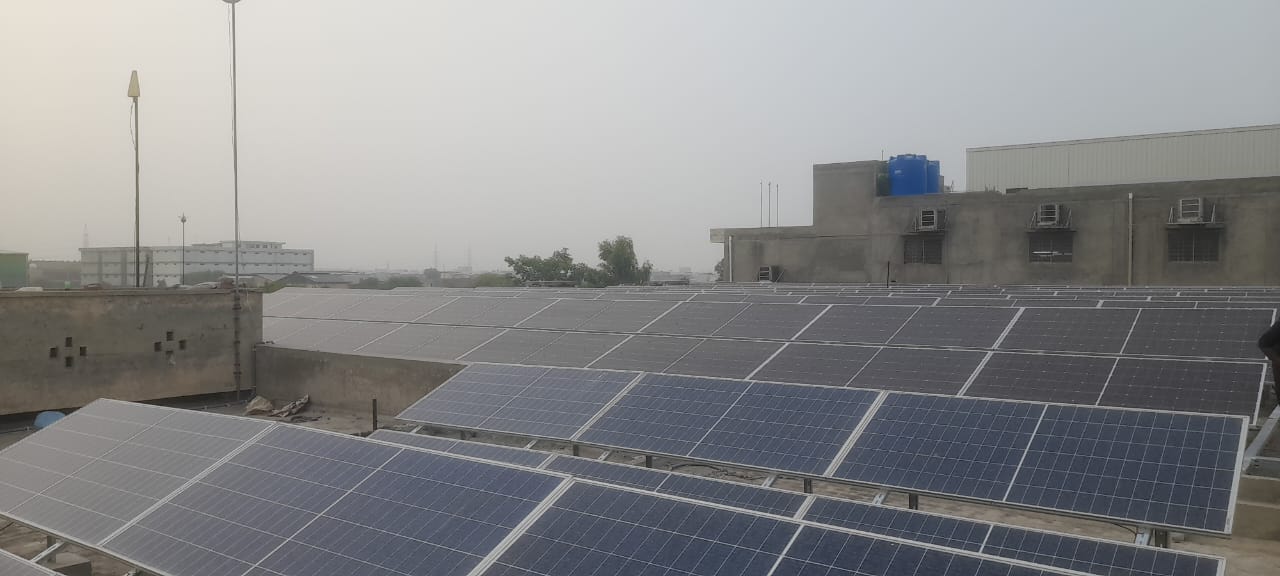
For industrial facilities, solar design is not only about installing more panels. The system needs to match factory operations, electrical load and working hours. A proper assessment helps determine the required solar panel capacity, inverter configuration and protection requirements.
Industrial Solar System Design for Factories
Industrial electricity usage is usually different from commercial buildings because factories operate heavy equipment, motors and production lines.
Before preparing an industrial solar quotation, Japston Energy reviews:
- Monthly electricity consumption
- Electricity usage during production hours
- Connected load details
- Three-phase electrical connection
- Machinery load requirements
- Available roof or ground installation area
This information helps in planning a solar system that fits the factory's actual energy requirements instead of using a fixed system size.
Solar Panels for Industrial Projects
Industrial solar installations require careful panel selection because large systems involve hundreds of panels and long-term operation.
Panel selection depends on:
- Panel wattage
- Available installation space
- Temperature conditions
- Warranty details
- Inverter compatibility
For large-scale installations, panel layout also affects maintenance access, cleaning requirements and overall system performance.
Japston Energy provides panel details with model numbers, quantity and technical specifications so industrial customers can review the equipment included in their quotation.
Industrial Solar Inverters
Industrial facilities often have higher electrical loads and different operating conditions compared with residential systems. The inverter selection depends on the factory load, solar capacity and electrical connection type.
Industrial solar inverter planning includes:
- Three-phase power requirements
- Maximum solar input capacity
- Equipment load compatibility
- Monitoring options
- Safety protection requirements
For factories with motors, pumps or heavy machinery, the starting current requirements should be considered before finalising inverter capacity.
Rooftop and Ground Mounted Industrial Solar Systems
Industrial solar systems can be installed on factory rooftops, warehouses or available ground areas depending on site conditions.
Before installation, Japston Energy reviews:
- Roof strength and condition
- Available installation space
- Panel arrangement
- Cable routing requirements
- Maintenance access
A planned installation layout helps keep the system accessible for inspection and future maintenance.
Solar Energy Solutions for Manufacturing Units
Manufacturing units usually consume electricity during production hours, which makes solar generation during daytime an important consideration.
The system design depends on:
- Production schedule
- Daily electricity demand
- Seasonal changes in consumption
- Required grid connection arrangement
For industries operating during daytime hours, solar generation can be aligned with factory consumption to reduce grid electricity usage during working hours.
Battery Storage for Industrial Solar Systems
Battery storage is considered when an industrial facility needs backup support for selected loads or wants energy availability beyond solar generation hours.
Battery planning requires information about:
- Critical machines or systems
- Required backup duration
- Daily energy consumption
- Inverter compatibility
Battery capacity should be selected according to actual backup requirements rather than only total factory load.
Industrial Solar Installation and Project Execution
Industrial solar projects involve multiple stages, including site assessment, equipment selection, installation and system testing.
Japston Energy manages:
- Solar panel installation
- Inverter setup
- Electrical wiring
- Protection equipment installation
- System testing
- Project handover
The quotation includes equipment details and installation scope so customers can understand what is included in the project.
Industrial Solar Cost and Quotation Details
The cost of an industrial solar system depends on the required capacity, selected equipment, installation conditions and project requirements.
An industrial solar quotation should include:
- Solar panel brand, model and quantity
- Inverter model and capacity
- Mounting structure details
- Electrical protection equipment
- Installation charges
- Testing and commissioning details
For industrial projects, it is important to confirm warranty documents, equipment specifications and after-sales support before project approval.
Net Metering for Industrial Solar Systems
Industrial facilities connected with the electricity grid may consider net metering where applicable. The process depends on electricity distribution company requirements and the approved solar system configuration.
Japston Energy can assist with equipment planning and documentation requirements for grid-connected industrial solar projects.
Request Your Industrial Solar Quotation
Share your factory location, electricity consumption details and solar requirements with Japston Energy. Our team can review your industrial site requirements and discuss the required solar panels, inverter configuration, installation scope and project details for your facility in Pakistan.
FAQs
How is an industrial solar system different from a commercial solar system?
Industrial solar systems are designed for factories and facilities with higher electricity consumption, production equipment and complex electrical loads. The design process includes load assessment and machinery requirements.
How much solar capacity does a factory need?
The required capacity depends on electricity bills, production hours, connected load and available installation space. A site assessment is required to determine the system size.
Can solar power run factory machinery?
Solar power can support factory operations, but the system must be designed according to machinery load, inverter capacity and electrical requirements.
Do industrial solar systems need batteries?
Not every industrial solar system requires batteries. Battery storage depends on whether the facility needs backup power or energy availability after solar generation hours.
What information is needed for an industrial solar quotation?
Provide electricity bills, factory location, connection details, load information and installation area details. This helps prepare a quotation based on the actual project requirements.