Commercial Solar Systems in Pakistan
Japston Energy provides commercial solar systems for factories, offices, warehouses, schools and other business facilities where electricity usage is a major operating cost. We review your monthly electricity consumption, connected load, roof area and operating hours before preparing a solar system quotation.
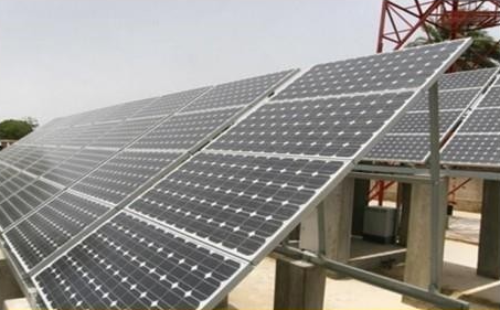
For businesses that consume more electricity during daytime hours, a commercial solar system can help reduce dependence on grid power during working hours. For facilities that need backup support, hybrid solar systems with battery storage can be considered according to the required loads. Pakistan has seen a rapid increase in solar adoption as businesses and consumers look for ways to manage rising electricity costs.
Commercial Solar System Design for Businesses
A commercial solar system starts with understanding how your business uses electricity. The system size is not selected only by available roof space; it depends on your actual power consumption pattern.
During the assessment, we review:
- Monthly electricity bills
- Daytime electricity usage
- Three-phase connection details
- Running equipment and machinery load
- Roof condition and available installation area
- Future electricity requirements
This information helps define the required solar panel capacity, inverter size and installation plan.
Solar Panels for Commercial Projects
Commercial buildings usually require solar panels that can deliver consistent generation within the available installation space. Panel selection depends on wattage, dimensions, efficiency, warranty and compatibility with the selected inverter.
For larger commercial installations, panel quantity and layout planning become important because small design changes can affect total system output and maintenance requirements.
Japston Energy provides quotations with clear panel details, including brand, model, quantity and technical specifications so businesses can review the equipment before installation.
Commercial Solar Inverters
The inverter is one of the main components of a commercial solar system because it manages the conversion of solar energy into usable electricity for business operations.
Commercial sites usually require careful inverter selection because they may have:
- Three-phase electrical connections
- Motors and industrial equipment
- High starting current loads
- Different operating schedules
On-grid solar inverters are used for businesses that want to reduce daytime grid consumption. Hybrid solar inverters are considered where battery backup is required.
The inverter model, capacity, monitoring features and installation requirements should be confirmed before finalising the system.
Solar Installation for Factories and Commercial Buildings
Commercial solar installation requires proper planning because the system operates on a larger scale compared with residential projects.
Japston Energy manages the installation process including:
- Solar panel mounting structure
- DC and AC wiring
- Protection equipment
- Inverter installation
- System testing
- Documentation and handover
Before installation, the roof structure and electrical setup should be checked to ensure the solar equipment can be installed safely.
Battery Storage for Commercial Solar Systems
Battery storage is considered when a business requires power support beyond solar generation hours or during grid interruptions.
Battery requirements depend on:
- Critical equipment that needs backup
- Required backup duration
- Daily energy consumption
- Inverter compatibility
Lithium batteries are commonly used in solar storage systems because they offer higher usable capacity and longer cycle life compared with many traditional battery options. Battery specifications, charging limits and warranty terms should be reviewed before selection.
Commercial Solar Cost and Quotation Details
The cost of a commercial solar system depends on system capacity, selected equipment, installation requirements and site conditions.
A commercial solar quotation should include:
- Solar panel model and quantity
- Inverter brand and capacity
- Battery details if required
- Mounting structure
- Electrical protection equipment
- Installation and testing charges
For bulk commercial projects, delivery schedule, warranty documents and after-sales support details should also be confirmed.
Net Metering for Commercial Solar
Businesses with suitable grid connections may consider net metering to manage excess solar generation. The process depends on applicable regulations, electricity distribution company requirements and system configuration.
Japston Energy can guide businesses regarding system requirements, documentation and equipment selection for grid-connected solar projects.
Request Your Commercial Solar Quotation
Share your business location, electricity consumption details and solar requirements with Japston Energy. Our team can review your site requirements and discuss the equipment, installation scope and system configuration required for your commercial solar project in Pakistan.
FAQs
How does a commercial solar system help businesses?
A commercial solar system allows businesses to generate electricity from their own solar installation. It can reduce daytime dependence on grid electricity when the system is designed according to the site's consumption pattern.
How do I know the required solar capacity for my factory or office?
The required capacity is calculated by reviewing electricity bills, daytime load, operating hours and available installation space. A site assessment helps determine the suitable system size.
Can commercial solar systems run industrial machinery?
Yes, but the solar system design must consider machinery load, motor starting requirements and inverter capacity. Share your equipment details before selecting the system.
Do commercial solar systems provide backup during power outages?
A standard on-grid solar system usually does not provide backup during grid failure. Backup requires a hybrid inverter, battery storage and separate backup circuits.
What information is required for a commercial solar quotation?
Provide your electricity bills, location, connection type, available roof area and required backup details. This information helps prepare a quotation based on your actual business requirements.