Agriculture Solar Systems in Pakistan
Japston Energy provides solar systems for agricultural operations where electricity is required for tube wells, water pumps, irrigation systems and farm facilities. Agricultural solar projects are planned according to pump capacity, daily water requirements, available sunlight and farm location.
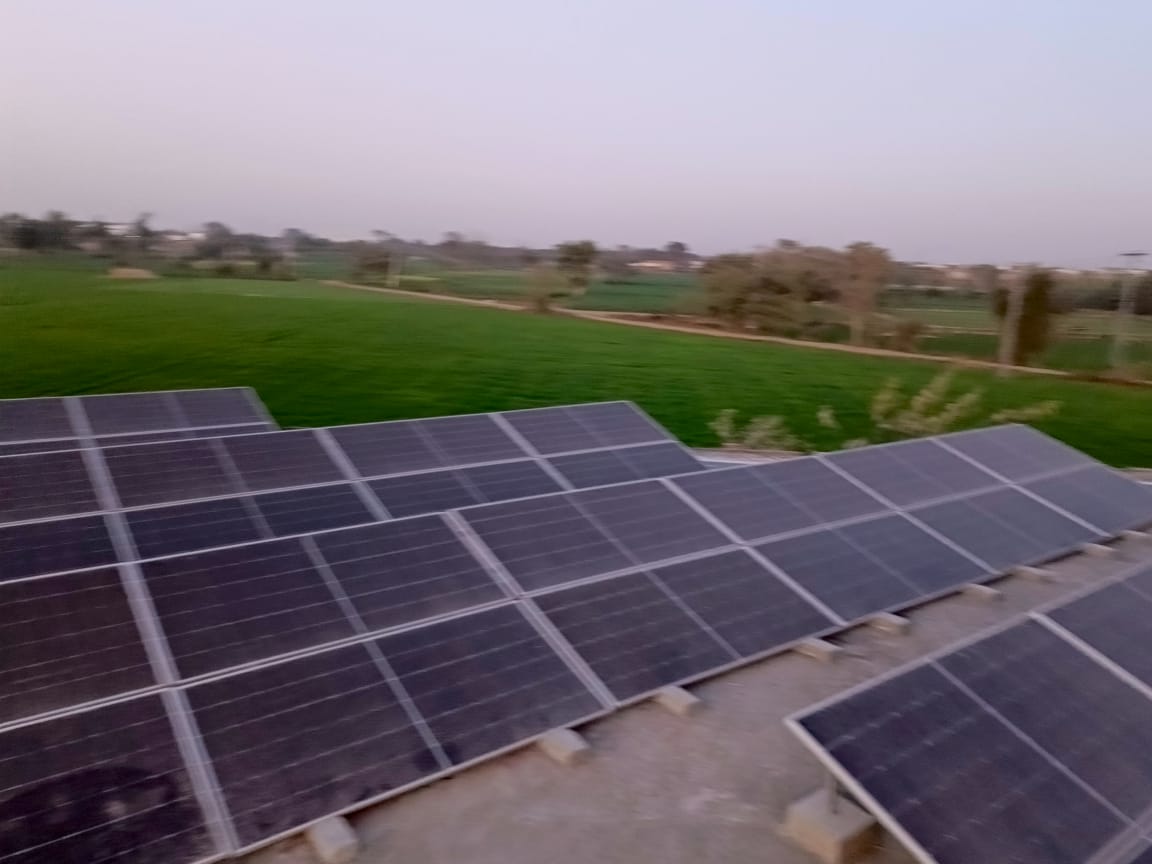
For farmers, the main concern is usually running irrigation equipment at the required time without depending completely on grid electricity or fuel-based generators. A solar system is designed by reviewing the existing pump, motor load and required operating hours before selecting panels and inverter capacity.
Solar Solutions for Agricultural Water Pumps
Agricultural solar systems are commonly installed to operate water pumps used for irrigation. The system size depends on the pump motor rating, water depth, required water flow and daily pumping hours.
Before preparing a quotation, Japston Energy reviews:
- Pump capacity
- Motor type and power rating
- Water source depth
- Required irrigation schedule
- Available installation area
- Existing electrical setup
This information helps determine the required solar panel capacity and pumping configuration.
Solar Panels for Agriculture Systems
Solar panels used for agricultural applications need to provide consistent energy during daylight hours when irrigation activities are usually carried out.
Panel selection depends on:
- Required pump load
- Available land or roof space
- Panel wattage
- Installation structure
- Warranty details
For agricultural installations, panel arrangement is planned according to sunlight availability and maintenance access so that cleaning and inspection can be carried out easily.
Solar Pump Inverter Selection
A solar pump inverter controls the electricity supplied from solar panels to the water pump. The inverter capacity must match the motor requirements and operating conditions.
Agricultural pump systems require attention to:
- Motor power rating
- Single-phase or three-phase connection
- Starting current requirements
- Pump operating schedule
- Protection settings
Selecting an inverter without checking the motor specifications can affect system performance and pump operation.
Solar Irrigation Systems for Farms
Solar irrigation systems are designed around the water requirement of the farm. The required solar capacity is different for each location because factors such as crop type, irrigation method and water source affect pumping needs.
During assessment, Japston Energy considers:
- Daily water requirement
- Pumping duration
- Seasonal irrigation changes
- Location and sunlight conditions
- Existing irrigation setup
This approach helps in selecting equipment according to the actual farming requirement.
Solar System Installation for Agricultural Sites
Agricultural solar installations often require planning because farms may have open areas, long cable distances and different site conditions.
The installation process includes:
- Solar panel mounting
- Pump inverter installation
- Electrical connections
- Protection equipment
- System testing
Before installation, the site layout and equipment placement are reviewed to keep the system accessible for future maintenance.
Hybrid Solar Systems for Farms
Some agricultural sites require electricity support beyond solar generation hours. In these cases, hybrid solar systems with battery storage can be considered.
Battery requirements depend on:
- Required backup equipment
- Operating hours
- Load requirements
- Inverter compatibility
For irrigation systems that mainly operate during daylight hours, a battery may not always be required. The system design depends on the farm's operating needs.
Agriculture Solar Cost and Quotation Details
The cost of an agricultural solar system depends on pump size, solar panel capacity, inverter selection, installation requirements and site conditions.
A quotation should include:
- Solar panel details
- Pump inverter model
- System capacity
- Mounting structure
- Electrical protection equipment
- Installation charges
For agricultural projects, it is important to confirm equipment specifications, warranty terms and installation scope before starting the work.
Solar Power for Tube Wells and Water Pumps
Tube wells and irrigation pumps have specific power requirements because motor performance depends on voltage, load and operating conditions.
Before selecting a solar system, provide:
- Existing pump details
- Motor plate information
- Required pumping hours
- Water source information
These details help in preparing a system configuration according to the actual irrigation requirement.
Request Your Agriculture Solar Quotation
Share your farm location, pump details and irrigation requirements with Japston Energy. Our team can review your agricultural site and discuss the required solar panels, pump inverter, installation scope and system configuration for your farming operation in Pakistan.
FAQs
Can solar panels run an agricultural water pump?
Yes, solar systems can be used for agricultural water pumps. The required solar capacity depends on pump power, water depth, irrigation needs and daily operating hours.
How many solar panels are required for a tube well?
The number of solar panels depends on the motor capacity, inverter selection and required pumping hours. Pump details are needed to calculate the required system size.
Is a battery required for agricultural solar systems?
A battery is not always required. If pumping is mainly needed during sunlight hours, a direct solar pumping system may be considered. Backup requirements determine whether battery storage is needed.
Can solar run a three-phase agricultural pump?
Yes, solar systems can be designed for three-phase pumps. The inverter and system configuration must match the motor specifications.
What information is needed for an agriculture solar quotation?
Share your pump details, farm location, electricity requirements, irrigation schedule and available installation area. This information helps prepare a quotation according to your agricultural needs.