No. A standard on-grid solar system stops supplying your home during load shedding, even in bright sunlight.
This is normally expected behaviour, not proof that the panels or inverter are faulty. The inverter needs an acceptable grid connection and shuts down when that connection is lost.
To keep appliances running, the installation must support operation while safely separated from the utility grid.
Solar configuration | Supply during load shedding |
|---|---|
Standard on-grid system | No normal AC supply from the solar inverter |
Battery-backed system configured for outage backup | Selected loads can run within equipment and stored-energy limits |
Equipment specifically designed for battery-free daytime backup | Possible with sufficient sunlight and the required installation arrangement |
The last option is model-specific. It should not be assumed from the words “hybrid” or “battery-ready” alone.
Why the Inverter Stops When Grid Power Fails
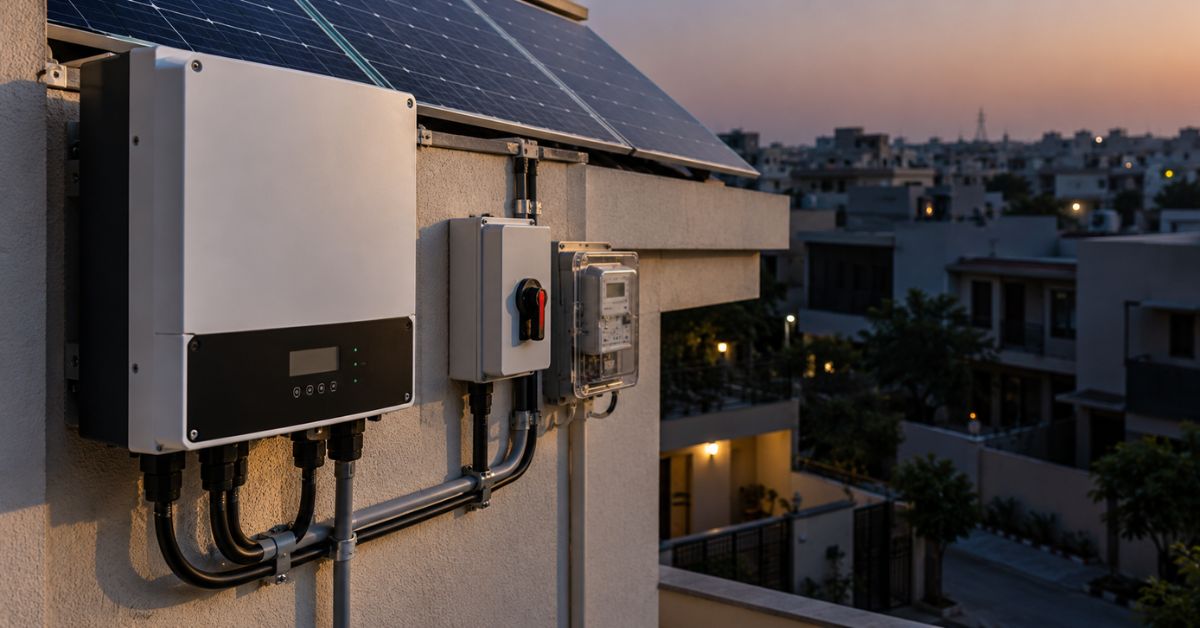
A standard grid-connected inverter follows the grid's voltage and frequency. When the grid fails, it loses that normal operating reference.
Its protection also prevents an unintended supply from feeding the public electricity network during the outage. This function is called anti-islanding.
It helps protect people working on the network and supports safe restoration of supply.
The panels may still have DC voltage in sunlight. However, that does not mean the inverter can deliver usable AC power to your home.
Switching off the main supply alone does not give a standard on-grid inverter the ability to create an independent supply.
What a Backup Installation Must Do Differently
An outage-capable installation needs to separate its backed-up circuits from the utility network. It also needs equipment that can establish a controlled electrical supply for those circuits.
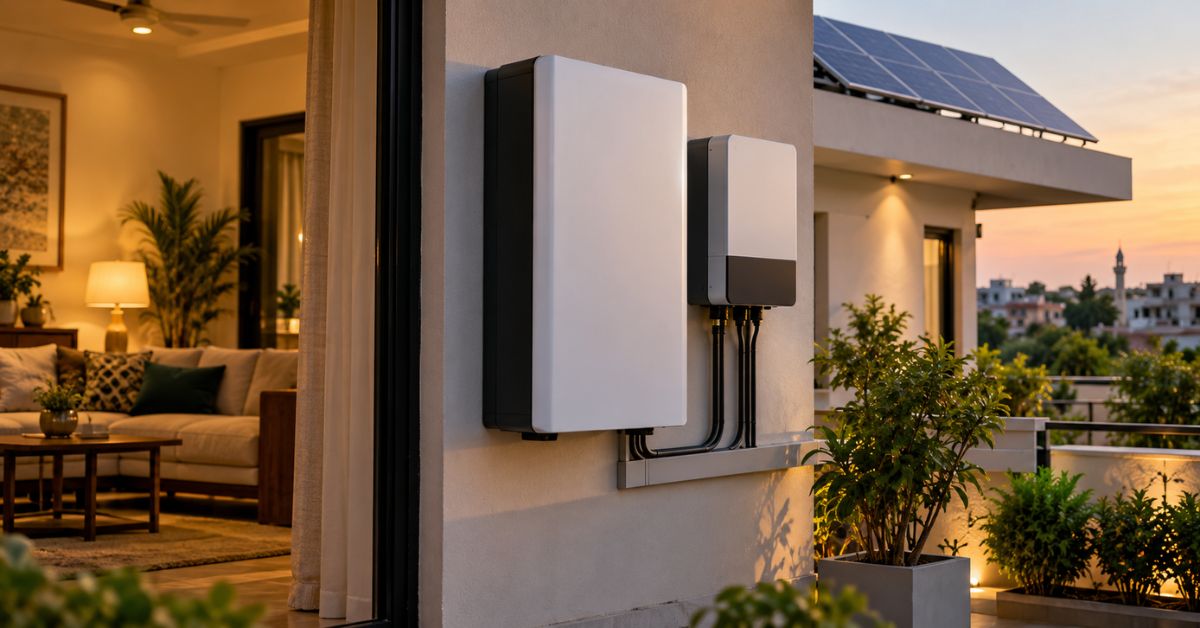
That function may involve a suitable hybrid inverter, battery inverter, transfer equipment and compatible storage.
Some components may be built into the equipment. Others may be separate. The correct arrangement depends on the exact products and installation design.
Ask for a clear description of which circuits receive backup and how the system changes operating mode.
A battery fitted beside an inverter does not, by itself, confirm that this arrangement exists.
Check the Inverter's Backup Function
Before selecting equipment, confirm the exact inverter model and its documented outage capability.
Check whether it has a designated backup output, whether that function needs a battery, and whether switching is automatic or manual.
Also confirm the continuous output available during an outage. Its normal grid-connected rating should not automatically be treated as the backup rating.
Our home solar solutions distinguish daytime generation from the appliances requiring backup. Those requirements should be stated before equipment is selected.
Include any motors or air conditioners, because starting demand can affect the design.
Can Solar Provide Daytime Backup Without a Battery?
Some equipment is designed to supply selected loads from solar during daylight outages without battery storage.
This requires the appropriate inverter function, grid isolation and load arrangement. An ordinary on-grid installation does not gain that capability through a settings change alone.
Available power then follows the sunlight. Clouds, shade or a sudden increase in demand can interrupt the supply.
It also provides no stored solar energy for nighttime use.
Confirm the feature in the manual for the equipment actually being quoted. A demonstration involving another product does not establish what your proposed system can do.

Can an Existing On-Grid System Be Upgraded?
An existing on-grid system may be upgraded for backup, but adding a battery is not always sufficient.
One route may involve replacing the inverter with compatible backup-capable equipment.
Another may retain the existing solar inverter within a professionally designed, compatible storage system. This arrangement needs suitable control of solar production and battery charging during independent operation.
The equipment must be checked as a complete system.
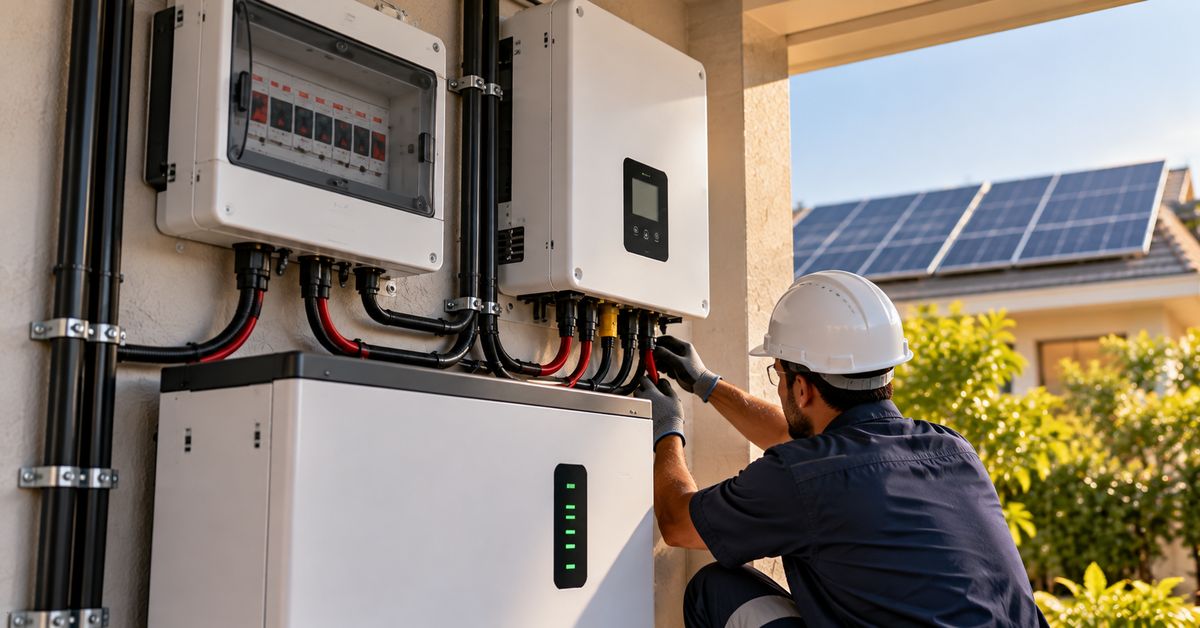
Our solar system upgrade service reviews the inverter, wiring, protection and current requirements before proposing changes.
Do not assume every existing inverter supports batteries or can operate within a backup installation.
Decide Which Appliances Need Power
Backup can cover selected circuits rather than the whole property.
Identify the appliances that must remain powered. Record their running demand, starting requirements and required operating hours.
Where storage is fitted, the inverter and battery must both support the simultaneous load. Battery usable energy helps determine how long that load can continue.
For lithium battery backup, confirm starting charge, reserve settings and discharge limits alongside storage capacity.
In a three-phase home, also confirm which phases or circuits receive backup. Power on one backed-up section does not mean every room or appliance remains supplied.
What Happens When the Grid Returns?
The inverter checks whether the returning grid supply is acceptable before resuming normal grid-connected operation.
Reconnection depends on the equipment's checks and settings. There is no single restart time that applies to every installation.
A backup system must also return to its normal operating arrangement correctly.
If the system fails to recover as described in its instructions, record the displayed error and contact the installer. Repeatedly resetting equipment should not replace checking the cause.
Keep the operating guide and installer contact details accessible for this situation.
Confirm Backup Operation Before Handover
Ask the installer to demonstrate a controlled loss-of-grid test using the intended backup appliances.
Check which lights, sockets and equipment remain powered. Confirm the permitted load and any interruption during transfer.
The handover should also explain low-battery behaviour, alarms and recovery after the grid returns.
For a proposed complete solar installation, make this demonstration part of the discussion before installation.
Keep the circuit list and backup settings with the equipment documents. That gives you a clearer reference than a general promise that “solar works during load shedding.”
Choose Solar Around Your Outage Requirements
Standard on-grid solar can supply electricity while the grid is available. Load-shedding backup is a separate function that must be confirmed in the equipment and installation.
Choose the appliances requiring support first. Then check backup output, storage, switching and the connected circuits.
If future loads are planned, include them in the assessment before approving the design.
Share your city, inverter model and backup requirements with Japston Energy. Request a proposal that states what will remain powered when grid electricity stops.
FAQs
Does net metering or zero-export control provide backup?
No. Metering and export control do not create an independent supply. Outage backup needs suitable equipment, grid isolation and the correct circuit arrangement.
Will adding more panels stop the shutdown?
No. Extra panel capacity does not remove the standard inverter's need for a grid connection. Backup capability must come from the system design.
Can my normal UPS keep the on-grid inverter running?
Do not assume so. A separate UPS may support its own connected appliances while the solar inverter remains stopped. Any integration needs a supported, professionally designed arrangement.
Will backup switching keep my computer running without interruption?
That depends on the transfer time and the connected equipment's tolerance. Request the documented switching specification. Sensitive loads may need additional suitable UPS support.
Will solar restart the system after the battery runs low?
That depends on the inverter, battery and recovery settings. Confirm how the proposed system restarts after reaching its minimum charge, including whether daylight alone can restore operation.